Recovering from wisdom teeth removal can be challenging, especially when you’re eager to get back to eating your favorite crunchy foods. However, it’s important to let your mouth heal properly before diving into snacks like chips, nuts, or crunchy veggies. Eating these foods too soon can cause discomfort or even harm your recovery process. This guide explains when and how to reintroduce crunchy foods gradually, while recognising that the safest timing depends on how your extraction sites are healing and on the instructions from your dentist or oral surgeon.
Key Points
There is no single day when crunchy food becomes safe for everyone after wisdom teeth removal.
Start with soft foods, then return to firmer and crunchy textures gradually as chewing becomes comfortable and your dentist or oral surgeon’s instructions allow.
Professionals also recommend starting with soft or liquid foods and slowly returning to normal foods as your mouth heals, because everyone heals at a different pace.
Why You Should Avoid Crunchy Foods at First
After wisdom teeth removal, your mouth needs time to heal. Crunchy foods can irritate the surgery site, cause pain, or even dislodge the blood clots protecting the area. If this happens, it may lead to a condition called dry socket, which can be very painful. For the first few days, soft foods are generally recommended because they reduce chewing and are less likely to scrape or leave sharp fragments around the healing socket.
Step 1: Start with Soft Foods
For the first few days after surgery, focus on eating soft, easy-to-chew foods like:
- Mashed potatoes
- Yogurt
- Smoothies
- Soup (avoid chunky or hot soups)
These foods help keep you nourished without straining your healing gums. Wait until the numbness has worn off before chewing so you do not accidentally bite your lip, cheek or tongue.
Step 2: Gradually Introduce Semi-Solid Foods
After about a week, you can start adding semi-solid foods to your diet, such as:
- Scrambled eggs
- Soft pasta (like macaroni or well-cooked spaghetti)
- Cottage cheese
- Soft fish or shredded chicken
These foods are easy to chew and won’t irritate your mouth.
Step 3: Test Firmer Foods Before Truly Crunchy Foods
By the second or third week, you may feel ready to try foods that are slightly crunchy but still easy to eat. Examples include:
- Well-cooked vegetables like carrots or zucchini
- Tender foods cut into small pieces
- Lightly toasted or firmer foods only if they do not scratch the area or require forceful chewing
Be sure to chew slowly and on the opposite side of your mouth from the extraction site. If you feel pain or discomfort, switch back to softer foods and give your gums more time to heal. Your dentist can guide you on when to progress to these foods based on your recovery.
Step 4: Move to Harder Crunchy Foods
After about a month, many people are ready to return to their normal diet. This includes harder, crunchier foods like:
- Nuts and seeds
- Raw fruits and vegetables
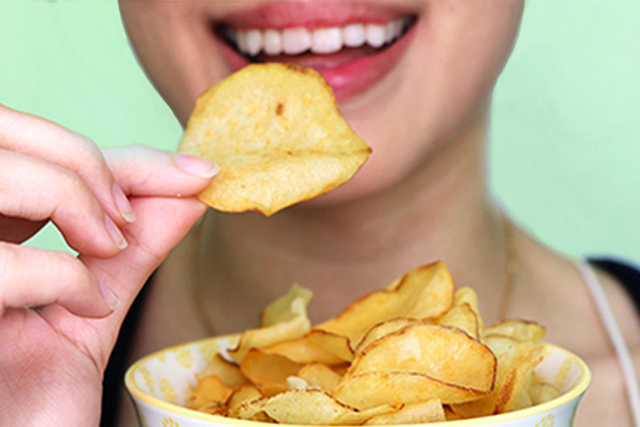
- Crunchy snacks like chips and pretzels
Before diving in, make sure your gums feel completely healed. If you experience sensitivity, try cutting these foods into smaller pieces or soaking them slightly to soften.
Tips for Safely Eating Crunchy Foods
- Chew Carefully: Avoid chewing directly on the surgical site, especially if it’s still sensitive.
- Start Small: Take small bites and test how your mouth feels before eating larger portions.
- Stay Hydrated: Drink water regularly during recovery, but avoid forceful swishing around the extraction site.
- Be Patient: If your gums still feel tender, wait a few more days before trying again.
Signs You’re Ready for Crunchy Foods
You should be able to chew softer foods without pain, renewed bleeding or increasing tenderness around the surgical sites. If you’re unsure, consult your dentist before eating anything hard or crunchy.
Recovery time varies according to the procedure and the individual, so comfort and healing are more useful guides than a fixed calendar date.
What to Do If You Eat Crunchy Foods Too Soon
Accidents happen! If you accidentally eat something crunchy and feel pain or irritation, stop eating it and return to softer foods. During the first 24 hours, do not rinse or spit forcefully unless your dentist or oral surgeon tells you to; after that, follow their instructions for gentle salt-water rinsing. Avoid touching the surgical site.
If you develop severe or worsening pain, persistent bleeding, fever, worsening swelling, or a bad taste or smell from the socket, contact your dentist or oral surgeon promptly. Worsening pain a few days after extraction can be a warning sign that needs assessment rather than something to manage simply by changing foods.
Wrapping Up:
The key to successfully reintroducing crunchy foods after wisdom teeth removal is patience. Your gums need time to heal, and rushing the process can cause complications. Follow the steps in this guide, listen to your body, and consult your dentist if you’re unsure.
By gradually transitioning from soft to crunchy foods, you can enjoy a smooth recovery and get back to your normal diet without any setbacks. If you are still considering treatment or need an assessment, you can also learn more about wisdom teeth removal and what the procedure involves. Stay patient, and you’ll be crunching on your favorite snacks before you know it!
Frequently Asked Questions:
How long should I wait before eating crunchy foods after wisdom teeth removal?
It’s important to give your gums time to heal. There is no universal waiting period, so move from soft foods to firmer textures gradually and avoid hard or sharp foods while the surgical sites are still tender. If you’re unsure, check with your dentist, as healing times can vary depending on the complexity of your procedure.
What kind of foods should I eat right after wisdom teeth removal?
Right after your procedure, focus on soft, easy-to-eat foods like mashed potatoes, soups, yogurt, and smoothies. These will not disturb the extraction sites. Avoid hot foods, as they can cause discomfort. Gradually move to soft solids like scrambled eggs or soft pasta once you start feeling better.
Can I eat chips or crunchy snacks after wisdom teeth removal?
Chips and crunchy snacks should be avoided during the early healing period because sharp fragments can irritate the socket or become trapped around it. Reintroduce them only when chewing is comfortable and your dentist or oral surgeon has not given you a longer restriction.
What if I accidentally eat something crunchy too soon?
If you accidentally eat crunchy food before you’re ready, stop and switch back to softer foods. Do not rinse vigorously during the first 24 hours; after that, rinse only as advised. Avoid chewing directly on the surgical site and revert to softer foods for a few days. If you experience severe or increasing pain, persistent bleeding or other concerning symptoms, contact your dentist for guidance.
How can I tell when it’s safe to eat crunchy foods again?
You’ll know you’re getting closer when soft and firmer foods can be chewed without pain, renewed bleeding or increasing tenderness. If you feel any pain or discomfort while eating soft foods, it may be a sign that you’re not fully healed. Always listen to your body, and consult with your dentist if you’re unsure.
Are there any signs of complications if I eat crunchy foods too soon?
Yes, eating crunchy foods too soon can lead to complications such as:
- Pain or swelling around the extraction site
- Dry socket, where the blood clot is dislodged, causing pain and delayed healing
- Bleeding from the surgical site
Severe pain that gets worse a few days after the extraction, especially with a bad taste or bad breath, is more concerning than ordinary soreness and should be assessed by a dentist or oral surgeon. If you experience any of these symptoms, contact your dentist immediately for further treatment.
Is there a specific diet I should follow after wisdom teeth removal?
For the first few days, stick to soft foods that don’t require much chewing. As you heal, you can gradually introduce more solid foods. Just be sure to avoid anything too hard or chewy for a few weeks to prevent irritation and complications.
Can I drink through a straw after wisdom teeth removal?
Avoid using a straw during the early healing period because suction can disturb the blood clot in the extraction site. Follow your dentist or oral surgeon’s timing, as recommendations vary with the procedure and your healing.
Can I eat popcorn after wisdom teeth removal?
Wait until normal chewing is comfortable; popcorn hulls and hard fragments can irritate or lodge in a healing socket.
What should I do if food gets stuck in the extraction socket?
Do not pick at the socket. After the first 24 hours, use gentle rinsing or an irrigation syringe only as your clinician advises.
Do stitches mean I can eat crunchy foods sooner?
No. Stitches do not make the underlying socket fully healed or protect it from sharp food fragments.
Is it normal for chewing to feel uncomfortable after a week?
It can be, especially after a difficult removal, but pain and swelling should generally be improving rather than getting worse.