

Removing wisdom teeth doesn’t always require the same type of anaesthetic. The most suitable option depends on the position of your wisdom teeth, the complexity of the procedure, your medical history and your individual treatment needs.
At Wisdom Teeth Professionals, most wisdom teeth are removed safely under local anaesthetic in our Sydney and Melbourne clinics, with no additional fee for this option. For patients with more complex surgical needs or specific clinical considerations, IV sedation or general anaesthesia may also be recommended after a thorough assessment.
Understanding your anaesthetic options can help you feel more informed before treatment. Below, you’ll learn how each option works, what to expect throughout your procedure, and how your dentist recommends the most appropriate approach for your individual needs.
At a Glance: Your Anaesthetic Options
| Feature | Local Anaesthetic | IV Sedation | General Anaesthesia |
|---|---|---|---|
| Will I be awake? | Yes | Usually awake but deeply relaxed | No |
| Will I feel pain? | The area is numbed to prevent pain | Local anaesthetic prevents pain while sedation helps you relax | You remain unconscious throughout the procedure |
| Where is treatment performed? | Dental clinic | Accredited day surgery or hospital (depending on your treatment plan) | Hospital or accredited day surgery |
| Recovery immediately after treatment | Usually quicker | Requires monitoring before discharge | Requires recovery before discharge |
| Can I drive afterwards? | Usually yes, unless advised otherwise | No | No |
Important: The most appropriate anaesthetic is determined after your consultation. Your dentist will recommend an option based on your wisdom teeth, medical history and treatment requirements.
Local Anaesthetic for Wisdom Teeth Removal
- Key Takeaway
Local anaesthetic temporarily numbs the area around your wisdom tooth, allowing it to be removed without pain while you remain awake throughout the procedure.
Local anaesthetic blocks the nerves that carry pain signals from the treatment area to the brain. Once the area is numb, your dentist can safely remove the tooth while keeping you comfortable.
Although you’ll remain awake, this doesn’t mean you’ll feel pain. Most patients notice:
- Pressure
- Gentle pushing
- Movement
- Vibration
These sensations are normal and don’t necessarily indicate discomfort.
Before treatment begins, your dentist will check that the area is completely numb. If needed, additional anaesthetic can be given before continuing.

What Happens During the Procedure?
Your appointment usually follows a straightforward process:
- Your dentist examines the treatment area.
- A local anaesthetic is administered using a small injection.
- The area becomes numb over the next few minutes.
- Your dentist confirms the anaesthetic is working before beginning the extraction.
- The wisdom tooth is removed while the area remains numb.
If the tooth is impacted or below the gumline, a small surgical opening may be required. Local anaesthetic continues to provide pain control throughout the procedure.
How Long Does the Numbness Last?
The effects of local anaesthetic usually last for several hours, although the exact duration varies between patients.
While the area remains numb:
- Avoid chewing on the affected side.
- Be careful not to bite your cheek, lips or tongue.
- Wait until sensation returns before eating very hot foods or drinking hot beverages.
As the anaesthetic wears off, it’s normal for mild discomfort to develop. Your dentist may recommend appropriate pain relief to help manage this stage of recovery.
Benefits of Local Anaesthetic
For many patients, local anaesthetic provides an effective balance between comfort and convenience.
Benefits include:

Effective pain control during the procedure.
Remaining awake and able to communicate with your dentist.
Faster recovery than IV sedation or general anaesthesia.
No lingering sedative effects.
Treatment can usually be completed in the dental clinic without hospital admission.
Local anaesthetic is suitable for many wisdom teeth procedures, although the most appropriate option always depends on your individual treatment needs rather than one anaesthetic being suitable for everyone.
Frequently Asked Questions About Local Anaesthetic
Will the injection hurt?
Most patients feel a brief sting or slight pressure as the anaesthetic is administered. The sensation usually lasts only a few seconds before the area begins to go numb.
What if I feel pain during the procedure?
Your dentist will confirm the area is fully numb before starting treatment. If you experience discomfort at any stage, additional local anaesthetic can usually be administered before continuing.
Can impacted wisdom teeth be removed under local anaesthetic?
Yes. Many impacted wisdom teeth can be removed using local anaesthetic alone. However, depending on the complexity of the procedure and your individual circumstances, IV sedation or general anaesthesia may also be discussed during your consultation.
IV Sedation for Wisdom Teeth Removal
- Key Takeaway
IV (intravenous) sedation helps you feel deeply relaxed during wisdom teeth removal. While you’ll usually remain able to respond to simple instructions, many patients remember little or none of the procedure afterwards. Local anaesthetic is still used to numb the treatment area and prevent pain.
How IV Sedation Works
IV sedation involves medication being administered through a small cannula placed into a vein, usually in your arm or hand. As the medication takes effect, you’ll enter a deeply relaxed state while your dental team continuously monitors your vital signs throughout the procedure.
Although many people describe IV sedation as “being asleep”, this isn’t technically accurate. Most patients continue to breathe independently and can respond if spoken to, but feel calm and much less aware of the treatment.

What to Expect
If IV sedation is recommended, you’ll receive instructions before your appointment, including when to stop eating and drinking.
On the day of your procedure:
Your dental team will review your medical history and answer any questions.
A small cannula will be placed into a vein.
The sedative medication will be administered.
Once you're relaxed, local anaesthetic will be used to numb the treatment area.
Your wisdom teeth will be removed while your breathing, heart rate and other vital signs are continuously monitored.
Most patients experience:
- A deep feeling of relaxation.
- Reduced awareness of the procedure.
- Little or no memory of the treatment afterwards.
- A sense that the appointment passed quickly.
Recovery After IV Sedation
After your procedure, you’ll remain under observation until your treating team is satisfied that you’re ready to go home.
Although you may feel alert, the medication can continue affecting your concentration, coordination and judgement for the rest of the day.
For this reason, you should:
- Arrange for a responsible adult to take you home.
- Avoid driving or riding a bicycle.
- Avoid operating machinery.
- Avoid drinking alcohol.
- Avoid returning to work, study or making important decisions until advised.
Most patients recover comfortably at home and gradually return to their usual routine as the sedation wears off.
Is IV Sedation Right for You?
IV sedation may be recommended when additional relaxation is appropriate during wisdom teeth removal.
Your dentist will consider factors such as:
- The complexity of the planned procedure.
- Whether multiple wisdom teeth are being removed.
- Your medical history.
- Your individual treatment requirements.
Not everyone requires IV sedation, and it isn’t suitable for every patient. During your consultation, your dentist will explain whether it’s an appropriate option for your treatment.
Frequently Asked Questions About IV Sedation
Will I be completely asleep?
Will I still receive local anaesthetic?
Is IV sedation safe?
General Anaesthesia for Wisdom Teeth Removal
- Key Takeaway
General anaesthesia places you into a controlled state of unconsciousness for your wisdom teeth removal. Unlike IV sedation, you’ll be completely asleep and unaware of the procedure. General anaesthesia is provided in a hospital or accredited day surgery under the care of a qualified anaesthetist.
How General Anaesthesia Works
General anaesthesia uses carefully controlled medications to place you into a temporary unconscious state. Throughout the procedure, an anaesthetist continuously monitors your breathing, heart rate, blood pressure and other vital signs.
Because specialised equipment and medical supervision are required, general anaesthesia is performed in a hospital or accredited day surgery rather than a standard dental clinic.
What to Expect
Before your procedure, you’ll meet with the anaesthetist to review your medical history and discuss the anaesthetic plan.
On the day of surgery:
- Monitoring equipment will be attached.
- The anaesthetic medication will be administered.
- You'll become fully unconscious.
- Your wisdom teeth will be removed while you're asleep.
- You'll wake in a supervised recovery area where your healthcare team will continue monitoring your recovery.
Recovery After General Anaesthesia
You’ll remain in the recovery area until your healthcare team determines you’re ready for discharge.
It’s normal to experience temporary effects such as:
- Drowsiness
- Grogginess
- Mild nausea
- A sore throat
These symptoms usually improve as the anaesthetic wears off.
After discharge, you should:
- Arrange for someone to take you home.
- Avoid driving or operating machinery.
- Avoid alcohol.
- Rest for the remainder of the day.
- Follow all discharge instructions provided by your dental team and anaesthetist.
When Is General Anaesthesia Recommended?
General anaesthesia isn’t necessary for every wisdom teeth removal.
Your dentist may recommend it when:
- The procedure is particularly complex.
- Treatment is more appropriately performed in a hospital setting.
- Your medical history requires additional consideration.
- A hospital-based approach is considered the safest or most appropriate option.
Your recommendation will always be based on your individual assessment rather than a one-size-fits-all approach.
Frequently Asked Questions About General Anaesthesia
Will I be aware of the procedure?
No. Under general anaesthesia, you’ll be completely unconscious and won’t be aware of the treatment taking place.
Is general anaesthesia safer than IV sedation?
Neither option is universally better or safer. The most appropriate choice depends on your medical history, the complexity of your procedure and your dentist’s clinical assessment.
Can I go home on my own?
No. Because the effects of general anaesthesia continue after the procedure, you’ll need a responsible adult to accompany you home and follow your discharge instructions.
Choosing the Right Anaesthetic for Your Wisdom Teeth Removal
- Key Takeaway
General anaesthesia places you into a controlled state of unconsciousness for your wisdom teeth removal. Unlike IV sedation, you’ll be completely asleep and unaware of the procedure. General anaesthesia is provided in a hospital or accredited day surgery under the care of a qualified anaesthetist.
What Will Your Dentist Assess?
During your consultation, your dentist will carry out a clinical assessment to determine the most appropriate treatment approach.
This may include:
- Examining your wisdom teeth and surrounding tissues.
- Reviewing dental X-rays or other imaging.
- Assessing whether the teeth are fully erupted or impacted.
- Discussing any pain, swelling or infection.
- Reviewing your medical history and current medications.
- Identifying allergies or previous reactions to anaesthesia or sedation.
This information helps your dentist recommend an approach that supports both your comfort and the safe completion of your procedure.
What Factors Influence the Recommendation?
Several factors may affect which anaesthetic is recommended, including:
The position and complexity of your wisdom teeth.
Whether one or multiple teeth are being removed.
The expected length of the procedure.
Your age and general health.
Previous experiences with dental treatment or anaesthesia.
Whether treatment is more appropriate in a dental clinic or hospital.
Rather than routinely recommending the strongest form of anaesthesia, your dentist will recommend the option that’s most appropriate for your individual needs.
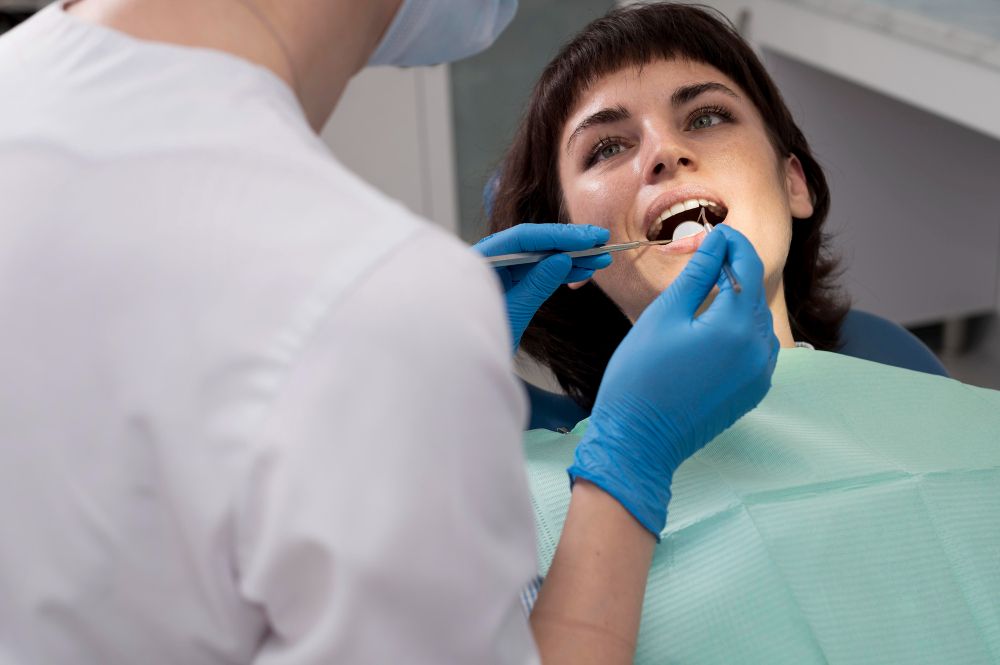
Discussing Your Options
Your consultation is an opportunity to understand your treatment plan and ask questions before making a decision.
You may wish to discuss:
- Why a particular anaesthetic has been recommended.
- What you'll experience during the procedure.
- How to prepare before treatment.
- What recovery is likely to involve.
- The expected costs and available payment options.
Understanding your options helps you make an informed decision and feel more confident before your procedure.
Preparing for Your Procedure
- Key Takeaway
General anaesthesia places you into a controlled state of unconsciousness for your wisdom teeth removal. Unlike IV sedation, you’ll be completely asleep and unaware of the procedure. General anaesthesia is provided in a hospital or accredited day surgery under the care of a qualified anaesthetist.
Before Your Appointment
Please let your dental team know if you:
- Have any medical conditions.
- Take prescription or over-the-counter medications.
- Have allergies to medications or latex.
- Have previously experienced problems with sedation or anaesthesia.
- Are pregnant or think you may be pregnant.
- Become unwell before your appointment.
Providing accurate information helps your dentist plan your treatment safely.
Eating and Drinking Before Treatment
Your instructions will depend on the anaesthetic being used.

Local Anaesthetic
In most cases, you can eat and drink normally before your appointment unless you've been advised otherwise.
IV Sedation or General Anaesthesia
You'll usually be asked to stop eating and drinking for a period before your procedure. Following these fasting instructions is important, as your treatment may need to be postponed if they aren't followed.
Your dental team will provide personalised instructions before your appointment.
Planning Your Recovery
Before your procedure, it’s a good idea to plan your journey home and your first day of recovery.
If you’re having IV sedation or general anaesthesia:
- Arrange for a responsible adult to take you home.
- Don't plan to drive after your procedure.
- Have someone available to stay with you if advised.
- Prepare soft foods and any prescribed medications before your appointment.
A little preparation beforehand can make your recovery more comfortable and less stressful.

Recovery After Wisdom Teeth Removal
- Key Takeaway
Recovery varies depending on the complexity of your procedure and the type of anaesthetic used. Your dentist will provide personalised aftercare instructions to support healing and help reduce the risk of complications.
What to Expect After Treatment
Once your procedure is complete, you’ll spend some time recovering before leaving the clinic or hospital.
Depending on the type of anaesthetic used, you may experience:
- Mild discomfort or tenderness.
- Swelling around the cheeks or jaw.
- Minor bleeding or oozing.
- Temporary difficulty opening your mouth fully.
- Drowsiness if IV sedation or general anaesthesia was used.
These effects are a normal part of the healing process and generally improve over the following days.
Caring for Yourself at Home
Following your dentist’s instructions can support healing and help minimise complications.
General aftercare advice may include:
- Bite gently on the gauze provided to help control bleeding.
- Take prescribed or recommended medications as directed.
- Apply an ice pack to reduce swelling during the first 24 hours if advised.
- Eat soft foods until you're comfortable chewing normally.
- Stay well hydrated.
- Avoid smoking or vaping, as these may delay healing.
- Avoid strenuous physical activity for the period recommended by your dentist.
- Keep the extraction site clean by following the oral hygiene instructions provided.
Your dentist may also recommend a follow-up appointment to monitor healing if required.
When Should You Contact Your Dentist?
While most patients recover without complications, it’s important to seek advice if you experience symptoms that don’t seem to be improving.
Contact your dental clinic promptly if you notice:
- Bleeding that doesn't settle as advised.
- Increasing pain after the first few days.
- Significant swelling that continues to worsen.
- Fever or feeling generally unwell.
- Difficulty swallowing or breathing.
- Any other symptoms that concern you.
Early assessment allows your dentist to determine whether further treatment is required.
Understanding the Costs of Sedation and Anaesthesia
The cost of wisdom teeth removal varies because every treatment plan is different.
Your total cost may depend on factors such as:
- The number of wisdom teeth being removed.
- Whether the teeth are impacted.
- The complexity of the procedure.
- The type of anaesthetic used.
- Whether treatment is performed in a dental clinic, accredited day surgery or hospital.
- Any associated hospital or anaesthetic fees where applicable.
Hospital Fees
If your procedure is performed in a hospital or accredited day surgery, hospital fees will vary depending on the facility chosen. As a guide, hospital costs typically range from approximately $550 to $950.
Anaesthetist Fees
Anaesthetist fees can also vary depending on your treatment plan. The clinic has arrangements with selected anaesthetists that may help reduce your out-of-pocket costs. In some cases, patients having all four wisdom teeth removed may pay as little as $100 out of pocket for anaesthetic services, although eligibility and final costs will depend on individual circumstances.
Following your consultation, you’ll receive a personalised treatment plan outlining the recommended procedure and associated costs before treatment begins.
Book a Consultation
Choosing the right anaesthetic for wisdom teeth removal starts with a thorough assessment.
During your consultation, your dentist will examine your wisdom teeth, review your medical history and discuss the most appropriate treatment options for your individual needs. You’ll also have the opportunity to ask questions about the procedure, recovery and expected costs before making an informed decision.
If you’re considering wisdom teeth removal, book a consultation to receive personalised advice and a treatment plan tailored to your circumstances.
Frequently Asked Questions
Which anaesthetic is best for wisdom teeth removal?
There’s no single option that’s best for everyone. Your dentist will recommend the most appropriate anaesthetic after assessing your wisdom teeth, medical history and treatment requirements.
Can all wisdom teeth be removed under local anaesthetic?
Many wisdom teeth can be removed using local anaesthetic. However, some patients may benefit from IV sedation or general anaesthesia depending on the complexity of the procedure and other clinical considerations.
Will I feel pain during the procedure?
The aim of local anaesthetic is to prevent pain during the procedure. Depending on the anaesthetic used, you may still notice pressure or movement, but you shouldn’t experience pain. If you’re uncomfortable at any stage, let your dentist know.
How long does recovery take?
Initial healing usually occurs over several days, although complete healing of the extraction site takes longer. Recovery time varies depending on the complexity of the extraction and your individual healing response.
Can I drive after wisdom teeth removal?
If you’ve had IV sedation or general anaesthesia, you shouldn’t drive after your procedure and should arrange for someone to take you home.
If you’ve only received local anaesthetic, your dentist will advise whether it’s appropriate for you to drive based on your individual circumstances.
Will I need someone to stay with me?
Patients who receive IV sedation or general anaesthesia are generally advised to have a responsible adult accompany them home. Your dental team will provide specific discharge instructions based on your treatment.