Patients with tooth pain visiting a general practitioner often discover that their wisdom teeth (third molars) are erupting. Although this is a normal phase in dental development, the process can sometimes be accompanied by discomfort and complications. Keep reading to know what to expect during the eruption of impacted wisdom teeth, the common signs and symptoms, and when to seek professional help for wisdom teeth removal in Sydney.
The Fundamentals of Wisdom Teeth:
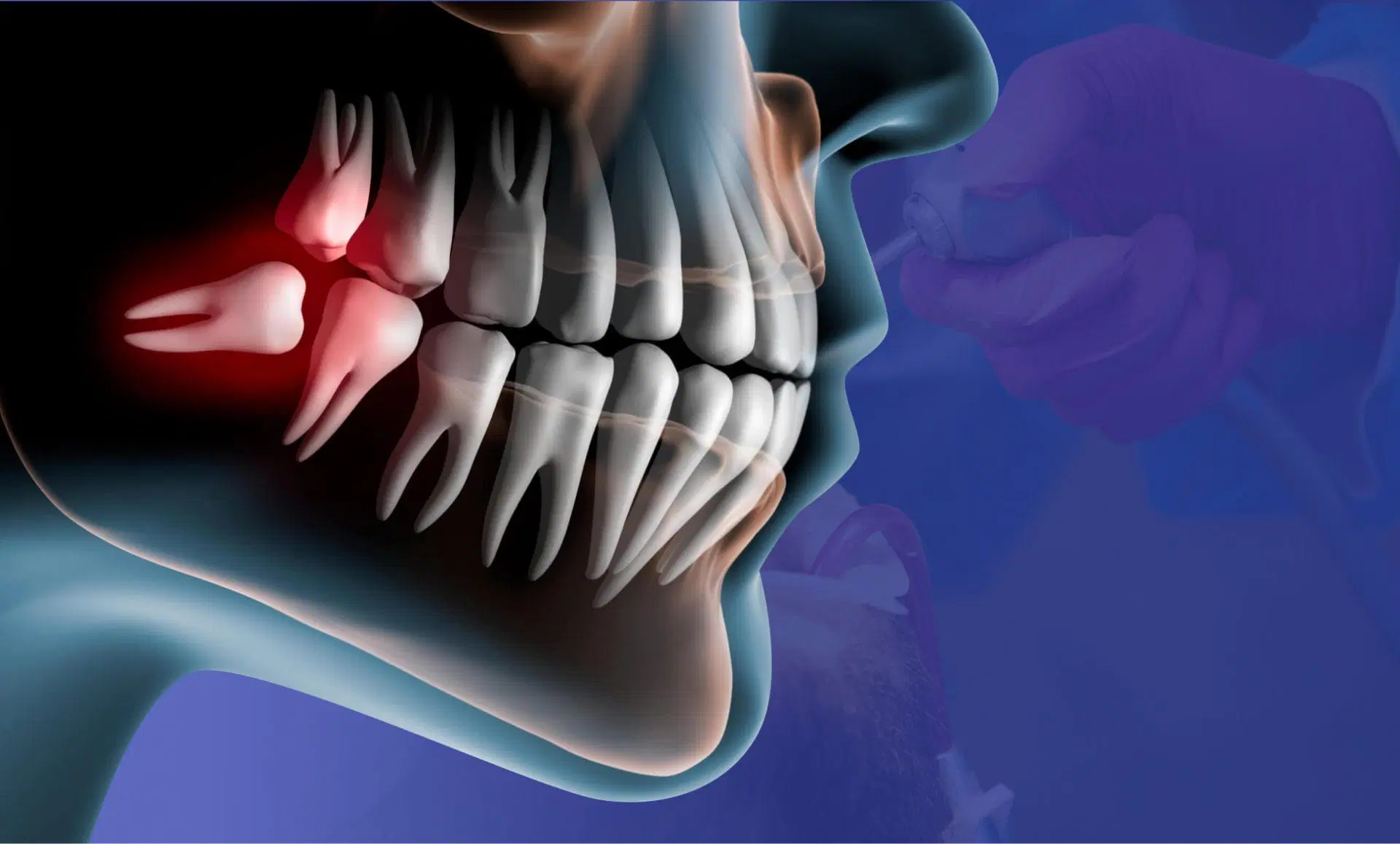
Wisdom teeth are the last permanent teeth to develop, usually emerging between the ages of 17 and 25. Most adults have four wisdom teeth, although studies show that some are born without one or more. Often, the mandibular (lower) third molars have difficulty erupting properly and become impacted, so they only partially emerge into the mouth. In fact, research indicates that up to 80% of these teeth might eventually require extraction by the age of 70 due to a variety of complications.
Note that only impacted wisdom teeth (that have difficulty erupting) lead to pain and other complications. The wisdom teeth removal cost will also depend on the same,
Common Signs and Symptoms
When wisdom teeth begin to erupt, they can produce a range of noticeable signs and symptoms:
- Pain and Discomfort: The most common symptom is pain at the back of the mouth, right behind the second molars. Patients often describe this pain as a persistent dull ache that may sometimes spike into acute, intermittent sharp pain.
- Gum Inflammation and Tenderness: As a third molar makes its way through the gum tissue, the surrounding area becomes irritated. This usually results in localised swelling, redness, and tenderness, especially in the retromolar region.
- Restricted Jaw Movement (Trismus): When inflammation spreads to the muscles involved in chewing, some individuals may experience trismus, which is the inability to open the mouth fully. This is an important clinical sign that often calls for professional evaluation.
- Halitosis and Dysgeusia: A partially erupted wisdom tooth can create a small pocket or flap of gum. Food debris and bacteria such as streptococci, Actinomyces, and Propionibacterium can get trapped in this area, which causes bad breath and an unpleasant taste in the mouth.
- Sensation of Pressure: As the tooth grows, you might experience a feeling of fullness or pressure in the posterior region of the jaw.
- Referred Pain: The pain from an erupting third molar can sometimes radiate to neighbouring areas. Occasionally, it may also reach the ear or even manifest as a mild headache near the temples.
Pericoronitis – A Common Complication
A frequent complication of impacted wisdom teeth in Sydney is pericoronitis, an infection and inflammation of the gum tissues surrounding a partially erupted tooth. In pericoronitis, the symptoms described above become more pronounced.
Patients typically experience increased pain, swelling, and redness, and you might even notice a purulent (pus) discharge in the affected area. Often, these episodes are preceded by an upper respiratory tract infection.
If the inflammation spreads, it can limit jaw movement severely and may lead to more serious infections that extend into adjacent fascial spaces. In extreme cases, this can jeopardise not only the erupting tooth but also the health of neighbouring teeth.
Other Potential Complications
As stated earlier, not every eruption of wisdom tooth proceeds smoothly. In cases where a tooth becomes impacted or only partially erupts, stagnation of food particles and bacteria around the area is common. This stagnation increases the risk for dental caries or tooth decay.
Moreover, if a third molar impacts on nearby structures, it may even trigger the resorption of the root of a neighbouring tooth. Although it is much less common, cysts or tumours may also develop in association with impacted wisdom teeth.
Get in Touch with a Qualified Dentist:
By following good oral hygiene practices and being vigilant about the symptoms mentioned earlier, you can maintain good oral health and minimal wisdom teeth removal price. If you have any questions, talk to the team at The Wisdom Teeth Professionals.
Frequently Asked Questions
What does it feel like when you start to get your wisdom teeth?
When wisdom teeth begin to emerge, most people notice a dull, throbbing pain and a feeling of pressure at the back of the mouth. The gums in this area may become swollen, which will make chewing or biting feel uncomfortable. Some even experience a mild sensitivity or irritation that gradually intensifies.
What exactly triggers wisdom teeth to grow?
Wisdom teeth growth is driven by natural genetic and developmental signals. As part of normal dental evolution in late adolescence or early adulthood, the bone remodels to allow these third molars to emerge. Internal biological mechanisms combined with the resorption of overlying bone work together to trigger the tooth’s upward movement.
What can I eat when wisdom teeth are erupting in?
While wisdom teeth are erupting, it is advisable to opt for a soft diet. These foods are gentle on gums:
- Smooth soups
- Yogurt
- Mashed potatoes
- Scrambled eggs
- Smoothies
Avoid crispy, chewy, or overly spicy foods that might aggravate the area or increase irritation. Here’s how to gradually move to crunchy foods during recovery.
Should all wisdom teeth need to be removed?
Not every wisdom tooth requires removal. Extraction is generally considered only when the teeth become impacted, cause persistent pain, or lead to complications like infection. If your wisdom teeth are properly aligned and remain asymptomatic, regular dental monitoring may be sufficient. Search “wisdom teeth removal near me” online and talk to our dentist if you have questions.
Do wisdom teeth cause bad breath?
Partially erupted wisdom teeth can contribute to bad breath. The gap created during partial eruption often traps food particles and bacteria, which leads to a foul odour and gum inflammation.
If you experience severe pain, persistent swelling, or any unusual symptoms, consult our dentist for affordable wisdom teeth removal in Sydney immediately.