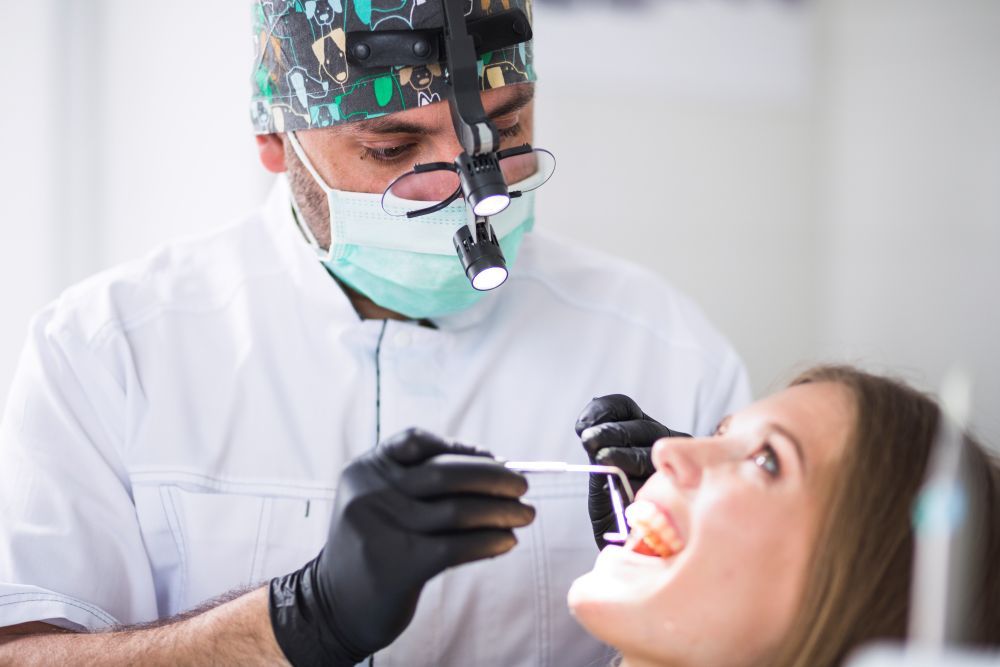
The idea that having a third molar out could chisel a face overnight pops up in clinics and online forums with surprising regularity. In reality, what shifts, what stays put, and what simply swelling after wisdom tooth removal makes look different are three separate stories. This article is aimed at unpacking popular misconception pertaining to the topic, and to settle it once and for all.
Two bones, two jobs
Everything below the cheekbones rests on the mandible. Its deep “basal” portion sets the length of the chin and the angle of the jaw. Sitting on top is the thinner alveolar bone, the ridge that carries the teeth. Third molars lie solely in this tooth-bearing layer. Take a tooth away and the ridge in that tiny spot will remodel; the basal scaffold underneath does not. Think of it as turf being rolled up while the concrete slab beneath the lawn remains untouched.
Why your face balloons, then settles
Any dental surgery, not just a wisdom tooth removal Sydney, triggers a short burst of inflammation. Fluid pools in the cheeks, bruising follows, and jaw opening can be stiff for a few days. The puffiness usually peaks around day three, then retreats over the first week. As it fades the mirror shows a “slimmer” outline and the mind links that improvement to the operation. The catch: it is merely the face returning to baseline.
A soft-food diet during recovery compounds the illusion. Porridge and soup offer fewer kilojoules than the usual menu, so a modest weight dip is common. Facial fat responds quickly to even small energy deficits, so a slightly sharper look is really a side-effect of calorie maths, not surgery.
Muscles: the quiet influencers
Behind the bony angle sits the powerful masseter muscle. It bulks up with nightly clenching or tough chewing and it pares back when workload drops. After extraction most people favour the other side while the sockets heal. Studies in animals and humans alike show that disuse trims muscle volume within weeks. If both lower wisdom teeth come out at once, the effect can occur on each side.
Will anyone else notice? Possibly, but only in very lean faces where every millimetre counts. Even then the change is gentle, gradual and soft-tissue only. Bone contour under the skin reads the same on X-rays before and after.
Untangling the popular claims
- “The operation carved my lower face.”
The basal bone was untouched; any long-term streamlining most likely stems from modest muscle shrinkage or routine maturation in late teens and twenties. - “I need the teeth out so my front crowding stops.”
Research tracking thousands of patients finds no consistent push from back to front. Crowding is driven by growth patterns and soft-tissue pressure, not a pair of molars in the rear. - “Keeping third molars is harmless if they don’t hurt.”
Some remain trouble-free, but many collect bacteria under the gum flap or decay behind the second molar. A dentist weighs those risks case by case.
Context matters: what really alters jaw shape
Procedures that visibly remodel a jaw involve saws and plates, not forceps. Orthognathic surgery, chin implants, even jawline filler sessions all target the basal frame or add bulk on top of it. By contrast, removing a molar merely opens a socket in the ridge. Expecting a sculpted profile from extraction alone is like expecting a parking fine to pay off a mortgage.
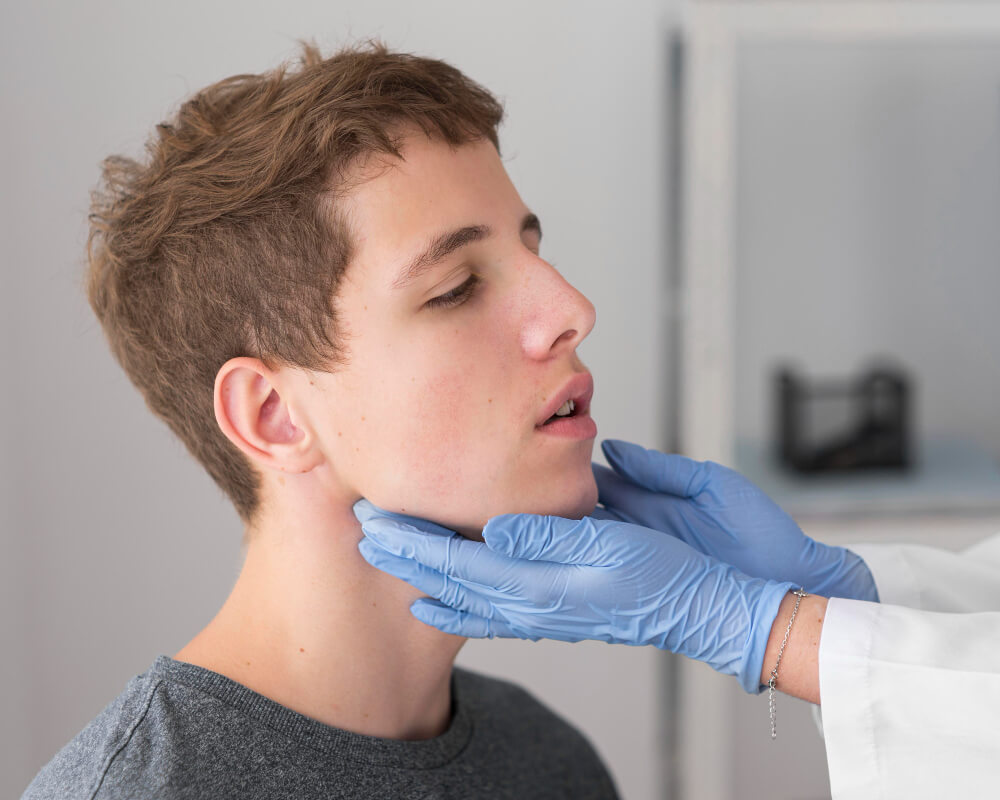
Key take-aways for patients
- Wisdom tooth extraction reshapes only the tooth socket, not the jaw itself.
- Most “before-and-after” photos circulating online capture the rise and fall of inflammation, or ordinary ageing from 18 to 25.
- Minor, gradual thinning of chewing muscles can occur; it seldom reaches selfie-level drama.
- Decisions about extraction should revolve around infection, pain, decay risk and access for cleaning—not cosmetic hopes.
Practical advice
Choose a practitioner with regular hospital privileges; a busy dental team manages swelling and nerve protection daily. Discuss timing: sitting exams in the first week of recovery is unwise. Ask whether grafting the socket suits your case, as it can preserve ridge width. And if cost is on your mind, request an itemised quote; the wisdom tooth extraction cost can vary with sedation method and complexity.
Final word
For most healthy adults in Sydney and beyond, wisdom tooth extraction is a preventive step, not a makeover. It may leave cheeks a shade leaner if chewing habits shift, yet the jaw’s bony outline remains the one nature gave you. Keep expectations grounded, follow post-op instructions, and let your jawline stay defined by genetics, not folklore—or a loud comment thread.