Wisdom teeth removal is a common oral surgery that millions of people undergo each year. These third molars often emerge in the late teens or early adulthood and may need removal if they are impacted, infected or causing damage to nearby teeth. While the procedure itself is generally straightforward, the post-operative care plays a crucial role in how smoothly the wisdom teeth removal recovery is.
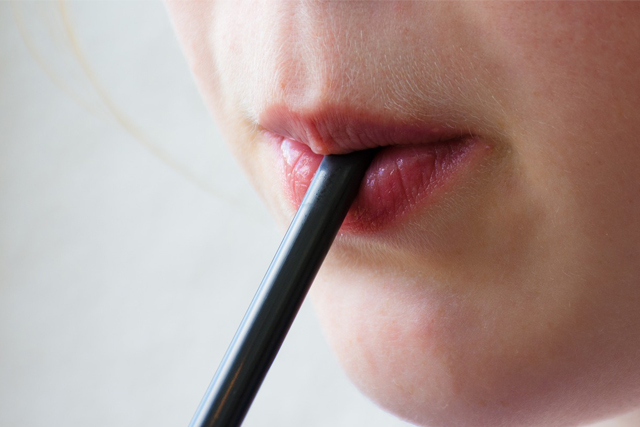
Among the many guidelines provided by oral surgeons, one of the most important but often overlooked is avoiding the use of straws.
So, when is it safe to use a straw after wisdom teeth removal? This question might seem minor, but using a straw too early can significantly hinder your healing process. In this blog, we’ll explore why straws pose a risk after wisdom teeth removal in Melbourne, how long you should avoid them, and when it’s safe to reintroduce them into your daily routine.
Quick Answer
- For most people, waiting at least 7 days before using a straw after wisdom teeth removal is a sensible minimum, unless your dentist or oral surgeon gives you different instructions.
- Experts advise avoiding straws for longer during the initial 1–2 week healing phase, particularly when the extraction was more complex or healing is slower.
Why You Should Avoid Straws After Wisdom Teeth Removal
The primary reason dentists and oral surgeons advise against using a straw after wisdom teeth removal is to reduce the risk of a painful complication known as dry socket. When a wisdom tooth is extracted, a blood clot forms at the site to protect the underlying bone and nerve endings. This blood clot acts like a protective barrier, helping the wound heal and shielding it from infection.
However, the suction created when using a straw can dislodge this clot, leaving the bone and nerves exposed. If the clot is lost too early or does not form properly, the socket can become inflamed and painful, which is a condition called dry socket, or alveolar osteitis. Dry socket (alveolar osteitis) is extremely painful, often more uncomfortable than the extraction itself. In addition to pain, it can also slow down the healing process and increase the risk of infection.
In most cases, patients are also advised to avoid spitting or vigorous rinsing for the same reason: these actions create negative pressure in the mouth, which can easily disrupt the clot and result in dry socket. For more detail on clot protection, see our guide to preventing dry socket after wisdom teeth removal.
How Long Should You Avoid Using a Straw?
The general recommendation is to avoid using straws for at least a week after wisdom teeth removal. During the first 24–48 hours post-surgery, the blood clot is still fragile, and the risk of dislodging it is highest. This period is critical for your healing, and minimizing any pressure in your mouth will help ensure that the blood clot stays in place.
While the first 48 hours are the most crucial, many oral surgeons recommend avoiding straws for up to 7–10 days. After about a week, new tissue is beginning to form over the surgical site, but deeper healing continues. However, each person’s healing time can vary, so it’s important to follow the specific advice given by your dentist or oral surgeon. If your surgeon gave you a different timeframe, follow their instructions.
What Happens if You Use a Straw Too Soon?
Using a straw too soon after surgery can disturb the blood clot and increase the risk of dry socket. If dry socket occurs, you’ll likely experience:
- Intense pain that radiates from the extraction site to other areas of the face, including the ear and temple.
- Visible bone in the socket where the tooth was extracted.
- Bad breath or a foul taste in the mouth, due to the exposure of the wound to bacteria and food particles.
- Delayed healing, with treatment sometimes involving socket irrigation, a medicated dressing and pain relief.
Dry socket typically appears 2-3 days after surgery, so if you experience any of these symptoms, it’s important to contact your dentist or oral surgeon for evaluation and treatment.
What if you accidentally used a straw?
One accidental sip does not automatically mean you will develop dry socket. Stop using the straw, avoid further suction, and watch for worsening pain, a bad taste or smell, renewed bleeding, fever, or increasing swelling; contact your dentist or oral surgeon if these occur.
When Can You Safely Use a Straw Again?
Once the blood clot has had time to stabilize and the initial stages of healing are complete, you can begin to cautiously reintroduce straws into your routine. For most patients, this happens 7 to 10 days after surgery, though some may need to wait longer if their healing process is slower. To be safe, consult with your oral surgeon before resuming straw use during wisdom teeth removal recovery.
When you do start using straws again, it’s advisable to do so carefully. Begin by sipping gently to avoid creating too much suction, and gradually ease back into normal drinking habits.
Alternatives to Using a Straw During Recovery
If you’re someone who typically uses a straw for convenience or comfort, there are a few alternative options that can help during the wisdom teeth recovery. Here are some suggestions to make staying hydrated easier without straws:
- Sip directly from a cup – Drinking directly from a glass or cup might seem obvious, but it’s the safest and simplest alternative to a straw. Tilt the cup gently and avoid quick or forceful sips.
- Use a spoon for thicker drinks – For smoothies or milkshakes, use a spoon instead of a straw. This not only prevents suction but also allows you to enjoy your favorite post-surgery soft foods without the risk of dry socket.
- Try a wide-mouth water bottle – A water bottle with a wide mouth can reduce the need for any significant suction, allowing you to drink more comfortably while still staying hydrated.
- Drink cold liquids slowly – If you’re looking for something cold to soothe any swelling, such as iced tea or cold water, avoid large gulps and drink slowly from the edge of the glass.
How to Ensure a Smooth Recovery After Wisdom Teeth Removal
In addition to avoiding straws, there are several other important steps you can take to support a smooth recovery:
- Stick to soft foods like yogurt, mashed potatoes, applesauce, and smoothies (without the straw) for the first few days.
- Stay hydrated but avoid hot liquids and alcohol during the initial recovery period.
- Rinse with salt water after the first 24 hours to keep the extraction sites clean, but do so gently without spitting forcefully.
- Avoid smoking, as it creates suction similar to using a straw and also introduces harmful chemicals that can impede healing.
- Rest and avoid strenuous activity for the first few days after surgery, allowing your body to focus on recovery.
Make sure to follow our guide to soft foods after wisdom teeth removal so your recovery remains smooth and healthy.
Wrapping Up:
Using a straw after wisdom teeth removal may seem like a minor detail, but it can have a significant impact on your recovery. The risk of dry socket makes it essential to avoid straws for at least 7–10 days after surgery. Once your oral surgeon gives the green light, you can cautiously reintroduce straws into your routine.
Following your post-operative instructions carefully and protecting the extraction sites gives the area the best chance to heal without avoidable setbacks. Contact your dentist or oral surgeon if pain is severe or worsening, bleeding does not stop, or swelling is getting worse.
Frequently Asked Questions:
Why can’t I use a straw after wisdom teeth removal?
Using a straw creates suction in your mouth, which can dislodge the blood clot that forms in the extraction site. This clot is essential for proper healing, as it protects the underlying bone and nerve endings. Dislodging the clot can lead to dry socket, a painful condition that exposes the bone and slows down recovery.
How do I know when it’s safe to use a straw again?
You can typically start using a straw after at least 7 days if healing is progressing well, although your dentist or oral surgeon may recommend waiting longer. However, the timeline can vary depending on your healing process. Always consult your dentist or oral surgeon to ensure it’s safe before reintroducing straws.
What are the symptoms of dry socket?
Dry socket symptoms include intense pain at the extraction site, pain radiating to the ear or temple, and an exposed bone where the tooth was removed. You might also notice a bad taste or smell in your mouth. If you experience these symptoms, contact your oral surgeon immediately for treatment.
Can I drink cold beverages without a straw?
Yes, you can drink cold beverages, but it’s important to sip directly from a cup. Cold liquids can soothe swelling, but you should avoid using a straw, even for iced drinks, as the suction can still lead to complications.
What other activities should I avoid after wisdom teeth removal?
Avoid smoking or vaping, forceful spitting and vigorous rinsing during early healing because they can disturb the extraction site. Follow your clinician’s instructions on mouth rinsing; many aftercare guides allow gentle salt-water rinsing after the first 24 hours. You should also avoid strenuous activity for the first few days and follow the food and drink restrictions you were given.
What should I do if I accidentally used a straw after wisdom teeth removal?
Stop using the straw and avoid further suction, but do not assume you have caused dry socket. Watch for worsening pain, renewed bleeding, a bad taste or smell, fever, or increasing swelling, and contact your dentist or oral surgeon if these develop.
Can I use a straw 5 days after wisdom teeth removal?
It is usually better to keep avoiding straws at day 5 and wait until at least day 7, unless your dentist or oral surgeon has told you otherwise.
Does having stitches mean I can use a straw sooner?
No. Stitches do not replace the protective blood clot or guarantee that the deeper socket has healed, so follow your clinician’s straw restriction.
When is dry socket no longer a major risk?
Dry socket usually begins within the first few days after an extraction, and the risk falls as the socket heals. If pain is steadily improving and you are past the first week, the risk is much lower, but new or worsening severe pain should still be checked.